Vital Knowledge for Cheap Car Repair: Protect Hours and Funds
Pinpointing cost-effective auto repair can be a demanding challenge for many motorists. With various options available, it is important to pursue the undertaking strategically. By studying local mechanics and understanding car maintenance priorities, persons can avoid superfluous expenditures. There are also ways to manage minor complications on their own. However, the path doesn't end there; exploring supplementary savings check now strategies can lead to even greater savings. What strategies might be worth considering next?
Research and Match Up Regional Mechanics
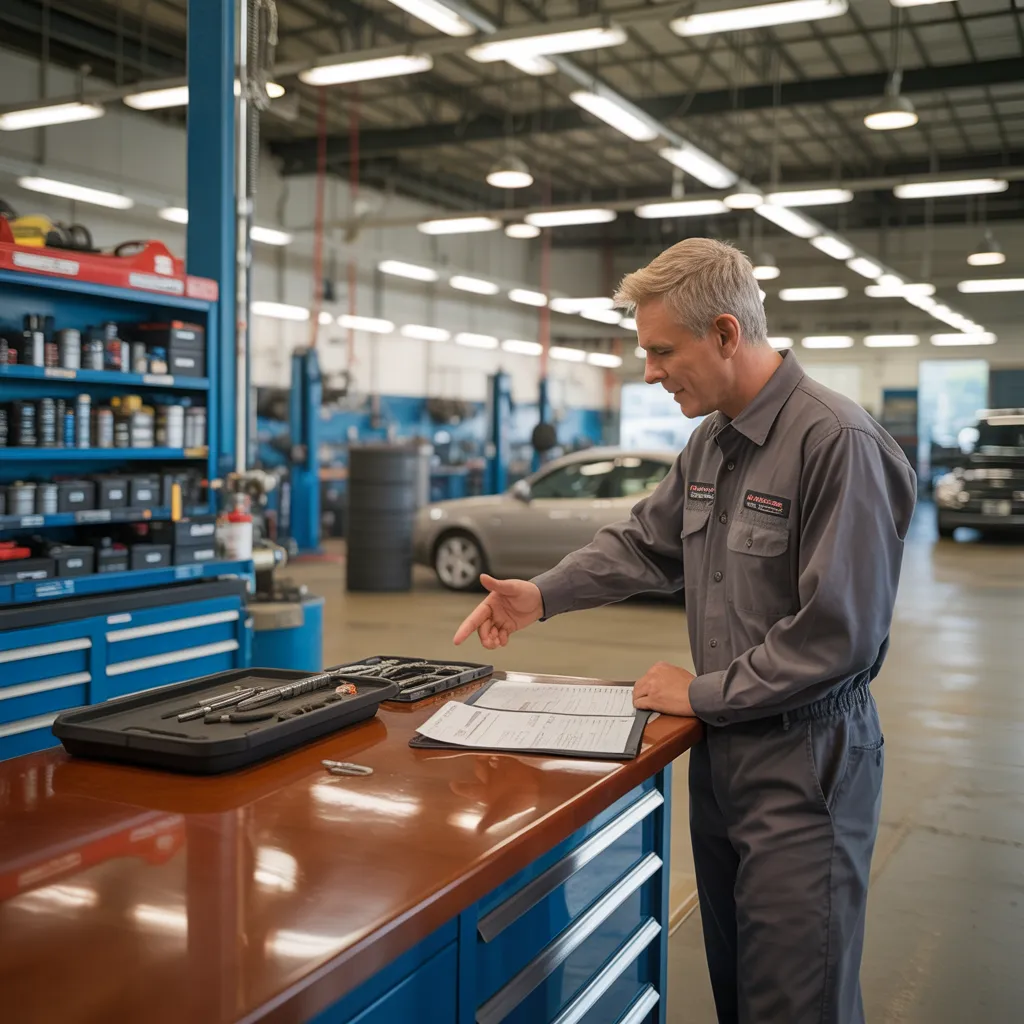
When seeking economical auto repair, it is imperative to research and compare local mechanics to verify the best value for service. A thorough review involves checking online reviews, ratings, and testimonials to appraise the quality of service provided. Consumers should also look into the certifications and experience of the mechanics, as this can greatly influence the reliability of repairs.
Additionally, obtaining bids from multiple vendors delivers insight into the average costs for designated services. This comparison works to recognize any unusually high or suspiciously low prices. Moreover, visiting mechanics in directly allows for a better evaluation of their professionalism and customer service, which are vital components in establishing trust.
In the end, careful research and comparison empower vehicle owners to reach sound conclusions, making sure they pick a mechanic who delivers both quality repairs and competitive rates, thereby cutting costs in the long run.
Know what your vehicle requires for upkeep
How can car owners guarantee their vehicles remain in peak shape? Understanding a car's service requirements is crucial. Each vehicle comes with a maker's maintenance plan, stating when specific services should be executed. This schedule typically includes oil changes, tire rotations, brake inspections, and fluid replacements. Adhering to these recommendations helps prevent costly repairs down the line.
Additionally, owners should recognize red flags suggesting possible problems, such as strange sounds or dashboard alerts. Regularly checking fluid levels, tire pressure, and the state of belts and hoses can also extend a vehicle's lifespan.
Implement do-it-yourself solutions for minor troubles
Comprehending a vehicle's upkeep requirements sets the foundation for proper vehicle maintenance, while many minor issues can be handled through do-it-yourself repairs. For instance, tasks such as changing windshield wipers, replacing air filters, or refilling fluids can be readily handled by car owners. DIY repairs not only reduce costs on labor expenses but also enable people to develop a better comprehension of their vehicles.
Web-based materials, including tutorial videos and forums, deliver valuable guidance for those unfamiliar with car maintenance. Essential tools, such as wrenches, screwdrivers, and pliers, are often sufficient for these straightforward repairs. Additionally, maintaining regular upkeep of minor issues can prevent them from escalating into more substantial problems, ultimately prolonging the vehicle's lifespan. By implementing a DIY approach, car owners can successfully manage their maintenance needs while reducing expenses and enhancing their overall automotive knowledge.
Search for Deals and Promotions
What approaches can car owners employ to economize on repair costs? One effective approach is to seek out discounts and offers supplied by auto repair shops. Many organizations present periodic discounts, customer rewards programs, or referral bonuses that can substantially reduce maintenance expenses. Car owners should also copyright for newsletters or monitor online pages of local repair shops, as these often highlight special offers.
In addition, employing web-based coupon resources can pinpoint short-term offers that can be applied to repairs. Car owners may find that some manufacturers or parts suppliers offer rebates on select services, which can also aid in lowering costs. By taking the time to research and remain awareness about existing promotions, car owners can conserve money while preserving their vehicles stay in fine condition. Overall, being assertive in pursuing discounts can lead to substantial savings on necessary auto repairs.
Document a Comprehensive Care File
Maintaining a detailed record of auto maintenance is indispensable for car owners attempting to cut repair bills. By capturing every service and repair, owners can keep tabs on the vehicle's history, identifying patterns that may demonstrate fundamental concerns. This archive works as a helpful resource for mechanics, helping them to form sound judgments about necessary repairs and maintenance schedules.
Routine documentation including oil service, tire rotation services, and brake inspections help ensure that the car remains in top shape. Additionally, maintaining a log can assist in warranty claims, as it proves adherence to the manufacturer's suggested maintenance schedule.
Furthermore, a complete record can offer an advantage when negotiating repair prices, as it highlights preventive maintenance efforts. Ultimately, keeping a systematic service log not only improves your car's lifespan but also enables owners to make wiser economic choices regarding their vehicle repair needs.
Frequently Requested Questions
How Do I Pinpoint a Honest Mechanic?
To locate a dependable technician, one should seek recommendations, check ratings, check credentials, and observe shop cleanliness. Participating in honest conversations about costs and repairs also builds clarity and creates faith in the mechanic's expertise.
What Are Frequent Signs My Car Needs Repairs?
Common signs a vehicle needs repairs include unusual noises, warning lights on the dashboard, poor performance, fluid leaks, and altered braking or handling. Addressing these issues promptly can prevent further damage and higher repair costs.
Is it Preferable to Choose Original Parts or Aftermarket Parts?
Using authentic components assures seamless operation and trustworthiness, while aftermarket parts may present cost savings. The choice depends on individual priorities, budget, and the exact restoration, weighing long-term value against immediate expenses for sound conclusions.
What's the Best Way to Resolve Problems With a Repair Shop?
To handle disputes with a repair shop, one should log all communications, gather facts, and openly express complaints. If necessary, promoting the issue to supervisors or seeking negotiation can help conclude tensions effectively.
What Defines the Expected Cost of Typical Upkeep?
The median cost of common vehicle maintenance fluctuates significantly. For example, replacing brake pads typically ranges from $150 to $300, while diagnostic engine work may run between $100 and $200, based on the vehicle and location.